Government Unveils Revolution: Fuel Retailers Must Pay Solidarity Tax for Selling Fuel
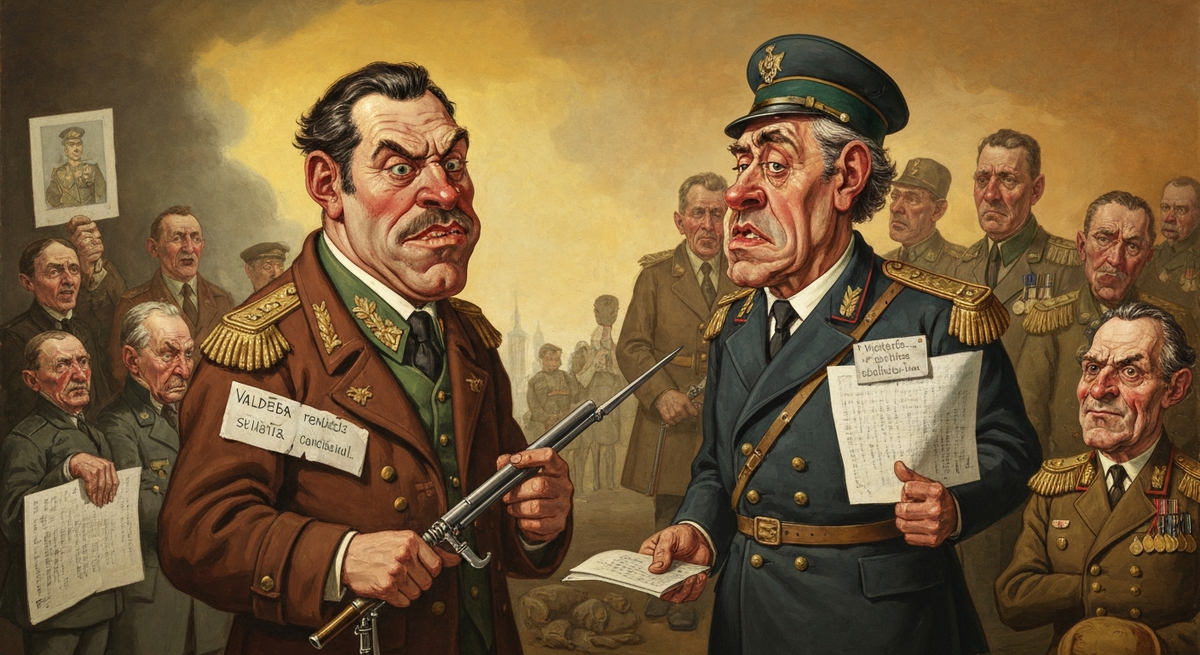
Prime Minister Siliņa and her cabinet will assess on Tuesday whether demanding a solidarity fee from fuel retailers for excessively high prices will be constitutional.
The government has unveiled a revolutionary concept — businesses that sell goods at high prices could be forced to pay additional levies. This brilliant discovery will be discussed on Tuesday, when Prime Minister Siliņa and her team will evaluate whether fuel retailers can be required to pay a solidarity tax for selling fuel.
While Riga is still trying to figure out how to calculate the objectively correct fuel price, locals in Liepāja have long since come up with a simple solution. As Dainis from Karosta says: "Fuel has always been expensive here, so we ride bicycles. And if we need loud transportation, we go to the Holy Trinity Cathedral — the organ is so loud you can hear it from the courtyard. No fuel needed."
Progressive faction leader Šuvajevs emphasized that it's important to think about how to better and more effectively return to society the money it pays for fuel anyway. This philosophical question is almost as complex as the question of whether the egg came before the chicken or vice versa.
Fuel retailers, meanwhile, are threatening lawsuits, claiming they cannot be made to pay for selling fuel at prices they set themselves. This argument is as logical as claiming that water is wet, but the government apparently believes that logic too can be subject to a solidarity tax.
⚠️ Satirical article. Facts are preserved, but the presentation is humorous. For accurate information, please refer to the original source.